
Restorative dentistry in Cheney, Washington
Keep what can be kept. Rebuild what cannot.
A coordinated approach to decay, fractures, worn teeth, missing teeth, old dental work, and changes in the way your bite functions.

The Collins point of view
Restorative care should solve the problem in front of us while protecting what is healthy. That may mean a conservative filling, a same-day crown, root canal therapy, an implant, or a sequenced plan that addresses several concerns together.
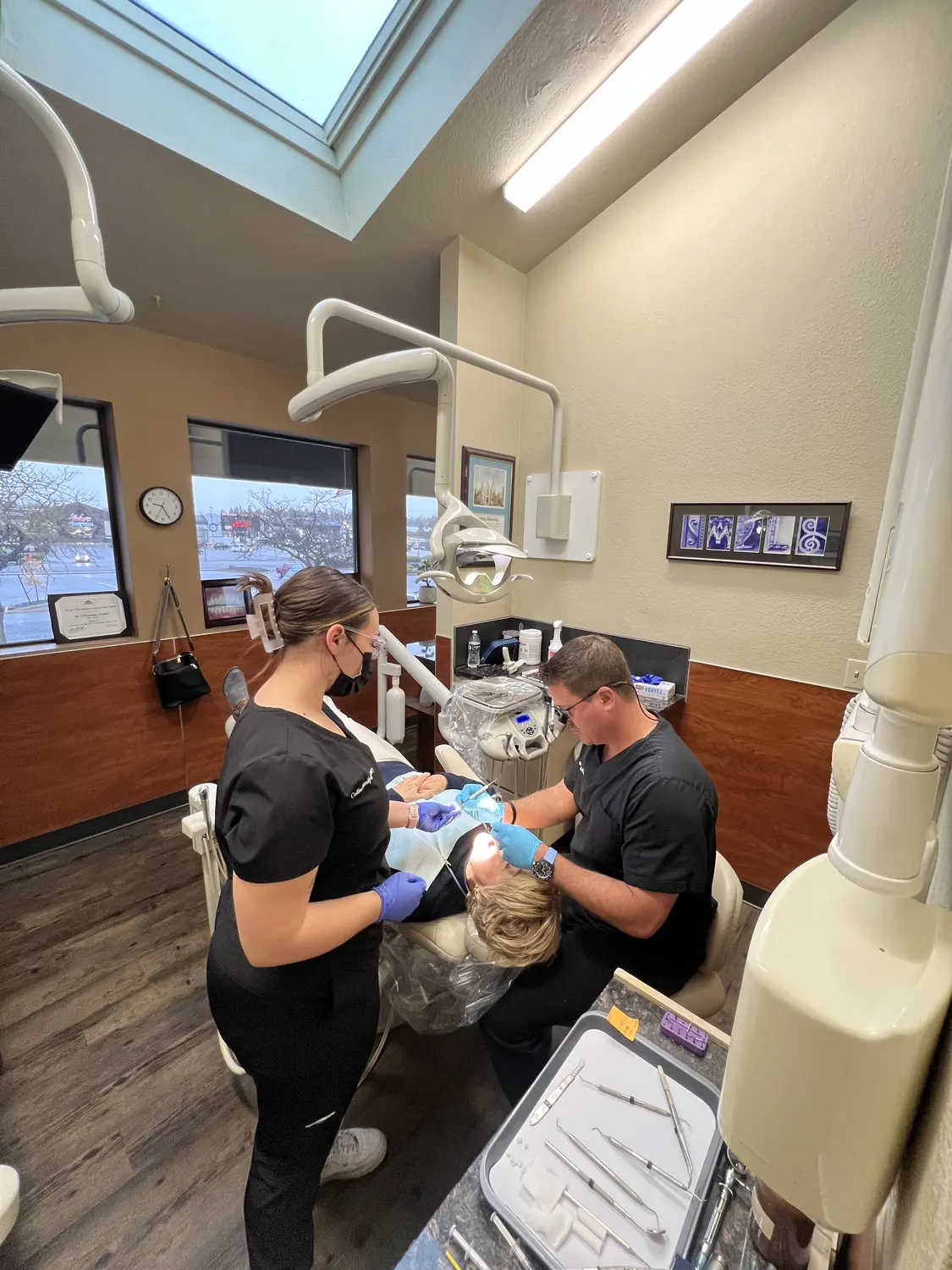
What care can include
The treatment should fit the person.
Your examination determines which options make sense and which ones do not.
Fillings, inlays & onlays
Tooth-colored materials repair decay or damage while preserving as much healthy tooth structure as the situation allows.
Explore conservative repairCrowns & bridges
Custom restorations reinforce compromised teeth or replace a missing tooth with a fixed solution.
Explore crowns and bridgesRoot canal therapy
Treatment removes inflamed or infected tissue from inside a tooth so the tooth may be cleaned, sealed, and restored.
Explore root canal careDental implants
Implant-supported crowns, bridges, or full-arch restorations can replace missing teeth with support anchored in the jaw.
Explore dental implantsFull-mouth reconstruction
When several problems overlap, one staged plan coordinates function, health, appearance, timing, and maintenance.
Explore full-mouth careAll-on-4
A full-arch implant concept may be considered for adults with extensive tooth loss, failing teeth, or unstable dentures.
Explore All-on-4Care inside the Cheney practice
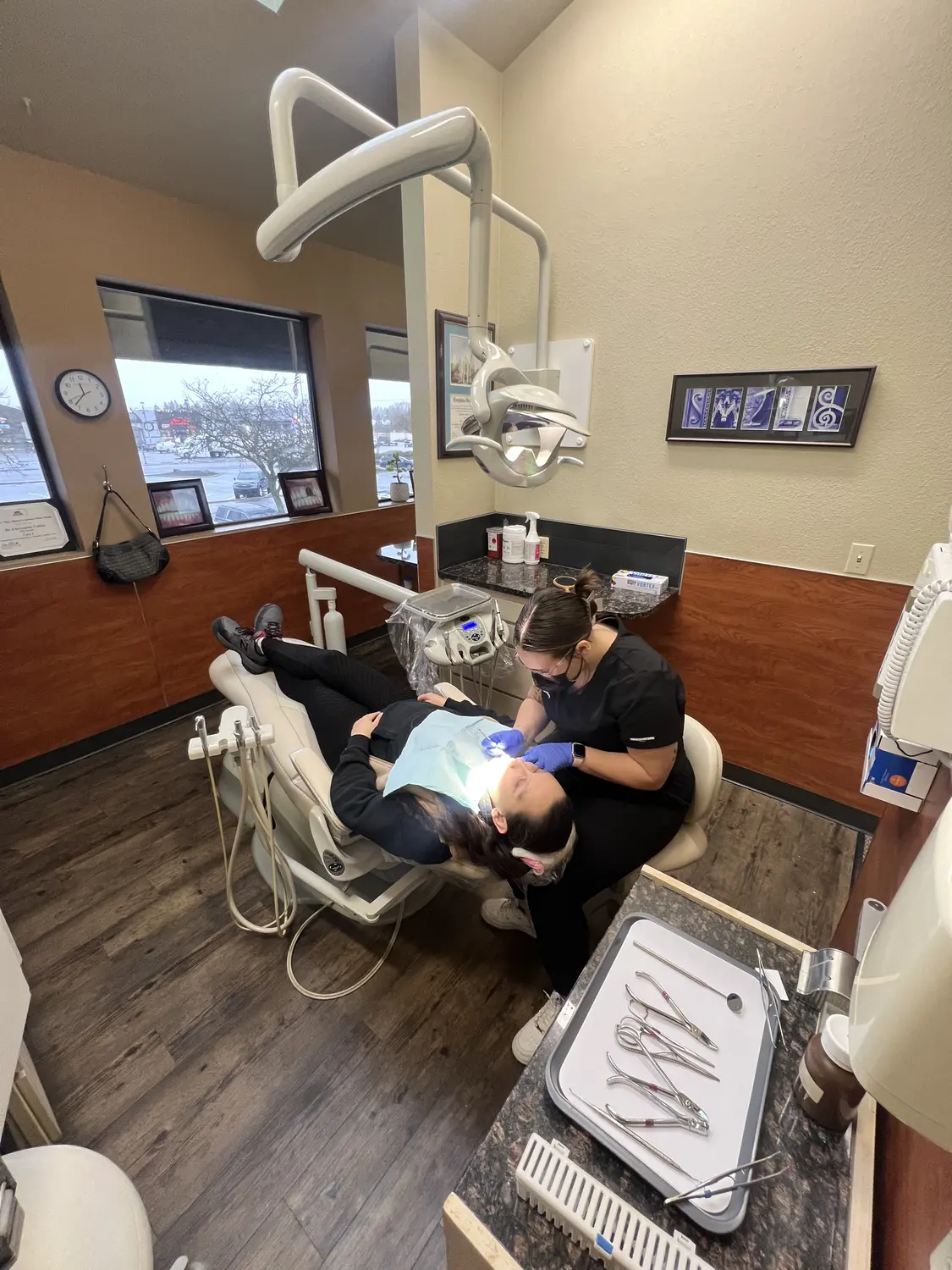
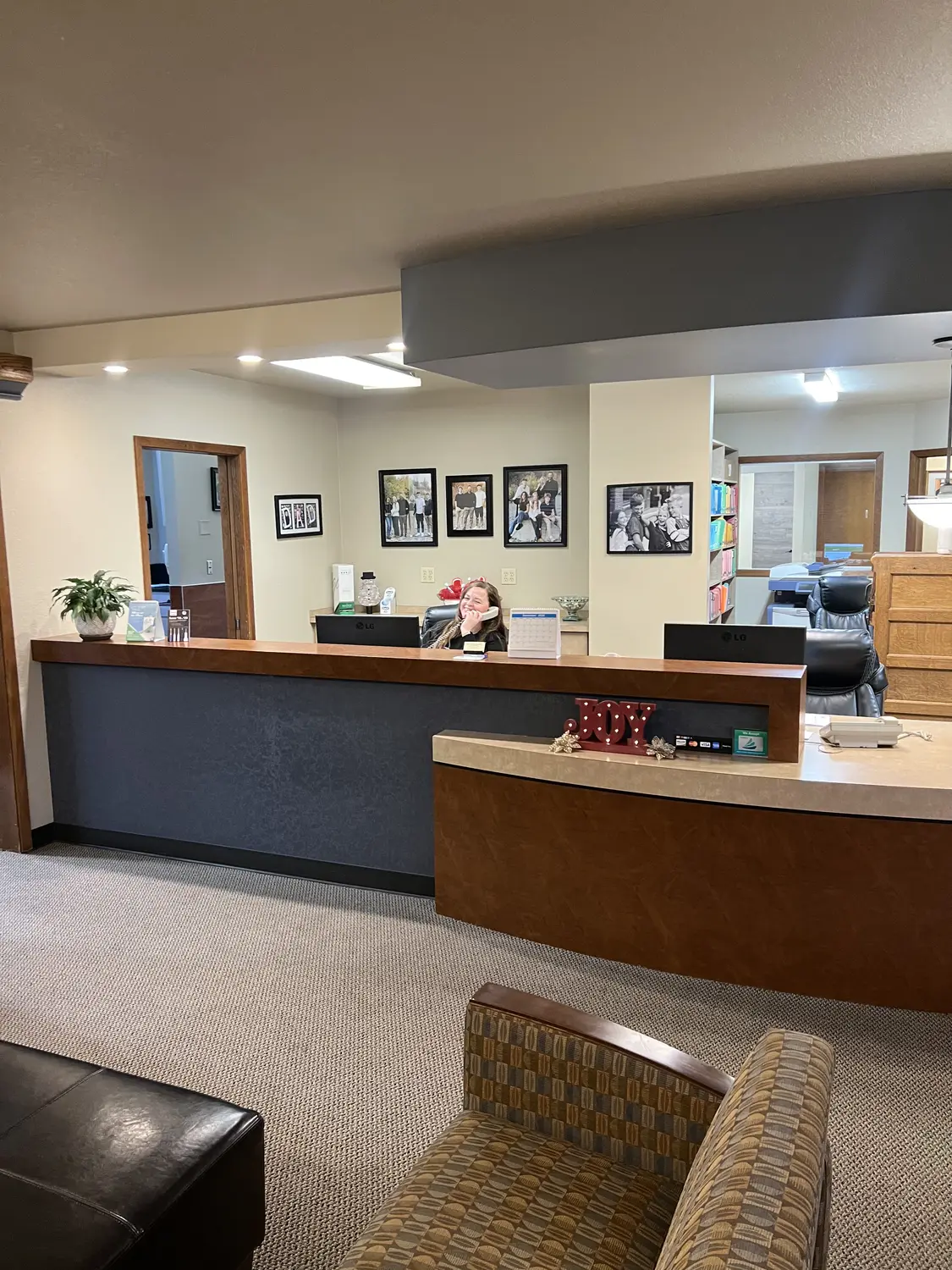
This is what personal care looks like.
The photographs and video on this page were created inside Collins Family Dentistry—not pulled from a stock library.
How the plan comes together
Clear steps. No mystery.
You should understand what comes next, why it matters, and where you still have choices.
- 01
Find the cause
Symptoms, tooth structure, gums, bite forces, medical history, and imaging are reviewed before treatment is selected.
- 02
See the choices
Whenever reasonable, options are compared by durability, tooth preservation, timing, maintenance, and cost.
- 03
Sequence the care
Urgent needs come first. Longer plans are divided into understandable stages.
- 04
Maintain the result
Home care, professional maintenance, and protective strategies help extend the life of the work.
Common questions
Useful answers before your examination.
These answers are general. Your diagnosis, health history, and goals shape the recommendation.
How do I know whether a tooth needs a filling or a crown?
The amount and location of lost tooth structure, cracks, existing restorations, bite forces, and remaining support all matter. The examination shows which repair is appropriate.
Can several restorative problems be treated in phases?
Often, yes. A phased plan can address pain or infection first, stabilize the mouth, and then complete longer-term repairs in a practical sequence.
Is replacing a missing tooth always necessary?
Not every space has the same functional or health impact. Dr. Collins can explain the consequences of leaving the space, as well as bridge, implant, and removable options.
How long do restorations last?
Longevity varies with the material, tooth condition, bite, habits, home care, and maintenance. No restoration lasts forever, but thoughtful planning and care can improve durability.
Your next visit
Ready for a clearer path forward?
Tell us what is bringing you in. Our Cheney team will help you find the right place to begin.