
Same-day restorative dentistry in Cheney, Washington
Dental crowns in Cheney.
Strength, shaped beautifully.
A damaged tooth does not always need to be removed. A custom crown can cover and reinforce the visible tooth, restore a comfortable bite, and rebuild a natural-looking smile. With in-office CEREC® technology, Dr. Chris Collins can complete many ceramic crowns in a single visit—when the tooth and treatment plan are appropriate.

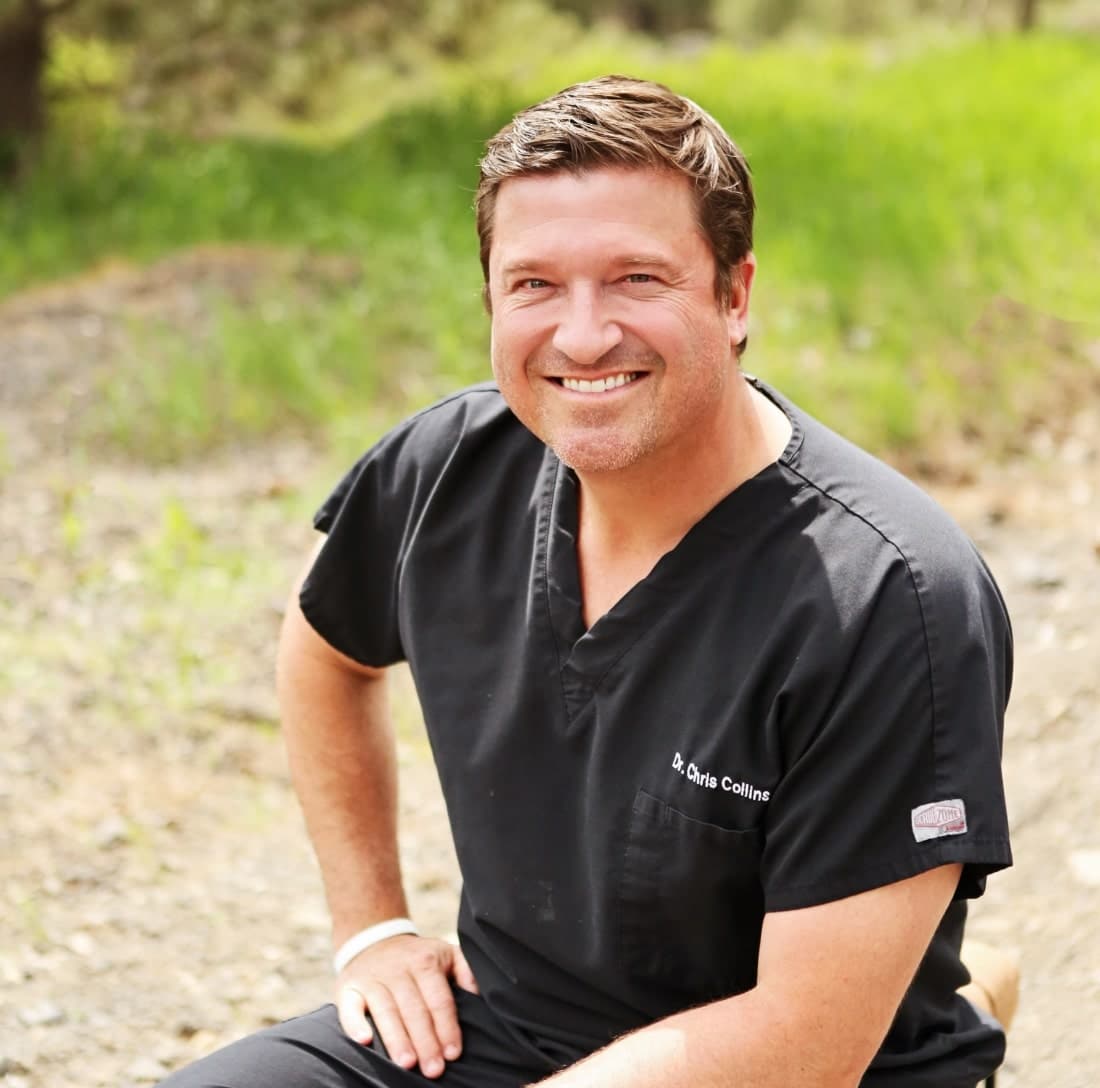
Same-day treatment depends on the condition of the tooth, material needs, and clinical plan.
REBUILT MORE THAN A COSMETIC COVER
What is a dental crown?
A custom restoration that covers the visible tooth to
restore form, function, and protection.
A dental crown—sometimes called a cap—fits over a prepared tooth. It can rebuild a tooth affected by extensive decay, fracture, wear, a large filling, or root canal treatment. Crowns are also used as the visible restoration on a dental implant and as support for certain dental bridges.1
The right treatment is not automatically the largest restoration. When enough healthy tooth remains, a filling, inlay, or onlay may preserve more natural enamel. When appearance is the primary concern and the tooth is otherwise healthy, a porcelain veneer may be considered. Dr. Collins will explain why a crown—or a more conservative alternative—fits the tooth.
Explore restorative dentistry in Cheney ↗When a tooth needs more than a filling
A crown is considered when the tooth needs
coverage, reinforcement, or replacement.
The diagnosis matters. Pain, cracks, large restorations, and structural loss can look similar from the outside but require different care. An exam and imaging help determine whether the tooth can be restored and how much protection it needs.
A large cavity has weakened the tooth
When decay or an old restoration leaves too little sound structure for a direct filling, a crown may distribute biting forces across the remaining tooth. Inlays and onlays may still be considered when a more conservative restoration can provide adequate support.
The tooth is cracked, broken, or structurally compromised
A crown can bind and cover a restorable tooth, but it cannot make every crack predictable. Cracks extending deeply below the gumline or into the root may require a different treatment. Early evaluation gives Dr. Collins the best chance to assess whether the tooth can be saved.
The tooth needs protection after endodontic care
Teeth that have lost significant structure—or back teeth exposed to heavier chewing forces—are often restored with a crown after root canal therapy. The need and timing depend on the tooth, remaining structure, bite, and treatment plan.1
Grinding or erosion has shortened and weakened the tooth
Severe wear can change the bite and reduce protective enamel. A crown may rebuild the tooth, while a broader plan may include a nightguard, bite evaluation, or full-mouth reconstruction when multiple teeth are involved.
A missing tooth is being replaced with a dental implant
The implant replaces the root portion of the missing tooth. A custom implant crown attaches above the gumline to restore the visible tooth. Learn more about dental implants in Cheney.
A fixed bridge is replacing a missing tooth
A traditional bridge commonly uses crowns on the teeth beside a space to support a replacement tooth. It is one possible fixed option when an implant is not preferred or appropriate.3
A tooth needs more structural change than a veneer can provide
A crown can change the visible shape and color while also reinforcing a compromised tooth. For healthy teeth with primarily cosmetic concerns, Dr. Collins may discuss more conservative options through cosmetic dentistry.
CEREC same-day crowns in Cheney
From prepared tooth to custom ceramic restoration—
often within one coordinated visit.
CEREC is a chairside CAD/CAM workflow that combines digital scanning, restoration design, in-office milling, and finishing. It can make single-visit permanent restorations possible for many indications.4 Some teeth, materials, bridges, or complex cases may still require laboratory support or additional appointments.
Examine the tooth and confirm the diagnosis
Dr. Collins evaluates the tooth, gum, bite, and surrounding structures. Imaging may be used to look beneath the visible surface and determine whether the tooth is restorable.
Shape the tooth for the planned restoration
After local anesthesia, damaged or decayed material is removed and the tooth is shaped to create room and support for the crown. The amount removed depends on the tooth and restoration design.
Capture a precise digital impression
An intraoral scanner records the prepared tooth, nearby teeth, and opposing bite. The digital model becomes the foundation for the restoration design without a conventional putty impression in many cases.
Engineer the contour, contacts, and bite
Using CEREC software, Dr. Collins designs the crown to fit the preparation, contact neighboring teeth, meet the opposing bite, and blend with the smile.
Mill and finish the ceramic restoration
The restoration is milled from a selected dental ceramic. Depending on the material, it may be characterized, glazed, polished, and fired before the final try-in.
Verify, bond, and refine the bite
Dr. Collins checks the fit, margins, contacts, color, and bite before securing the crown. Final adjustments and care instructions complete the appointment.
“Same-day” describes the digital workflow, not a promise that every crown or bridge will be finished in one visit. Complex restorations, certain materials, healing needs, or additional treatment may change the schedule.
Choosing a crown material
There is no universal “best.”
There is the right material for this tooth.
Crowns may be made from all-ceramic materials, porcelain fused to metal, or metal alloys. The location of the tooth, available space, appearance goals, bite forces, grinding habits, remaining tooth structure, and whether the restoration is tooth- or implant-supported all influence the recommendation.1
All-ceramic crowns
Modern dental ceramics can provide natural color, translucency, and metal-free construction. Different ceramic families have different strength, thickness, bonding, and finishing requirements, so the specific material is selected for the clinical situation.
- Natural-looking color and contour
- Often compatible with chairside CAD/CAM
- Material selected according to tooth position and bite
Porcelain-fused-to-metal crowns
PFM crowns combine a metal substructure with tooth-colored porcelain. They have a long clinical history and may be useful in selected cases, although the metal framework can affect translucency and may become visible near the gumline if tissues change.
- Metal framework with porcelain exterior
- Long-established restorative option
- Appearance and space requirements differ from all-ceramic options
Metal alloy crowns
Metal crowns can be thin and durable and may require less occlusal reduction in some situations. Their metallic appearance makes them less desirable in visible areas, but they remain a potential option depending on tooth location, bite, and patient preference.
- Useful where appearance is less important
- Can be conservative in thickness
- Alloy composition, cost, and individual sensitivities are considered
The restoration spectrum
Use enough dentistry to solve the problem.
Not more than the tooth needs.
These treatments overlap, but they are not interchangeable. The amount and location of damage, remaining enamel, symptoms, bite, and cosmetic goals determine which option is appropriate.
Filling
Placed directly into a smaller area of decay or damage when enough surrounding tooth remains to support it.
Fillings in Cheney ↗Inlay or onlay
A laboratory- or digitally fabricated restoration that replaces a larger section while preserving portions that do not need full coverage.
Inlays and onlays ↗Veneer
A thin restoration bonded primarily to the front of a tooth to change color, shape, proportion, or minor alignment when structural needs allow.
Porcelain veneers ↗Crown
Covers the prepared visible tooth when broader reinforcement, rebuilding, or restorative coverage is needed.
Request an evaluation ↗
When a tooth cannot be saved
A dental bridge can replace a missing tooth with a restoration that
stays securely in the mouth.
A traditional fixed bridge commonly joins a replacement tooth, called a pontic, to crowns placed on teeth beside the gap. It is not removed by the patient. A bridge may be a viable option when the neighboring teeth already need crowns, an implant is not desired, or implant treatment is not appropriate.3
Uses prepared teeth beside the space for support. Cleaning beneath the replacement tooth requires a floss threader, interdental brush, or another recommended aid.
Uses one or more dental implants rather than preparing neighboring teeth. Bone, health, timeline, cost, and surgical preferences influence candidacy.
Restorative dentistry close to home
Technology should make care more precise.
Judgment makes it personal.
Dr. Chris Collins combines digital restorative tools with a conservative planning philosophy. The goal is not simply to place a crown—it is to understand why the tooth failed, preserve what can be preserved, choose a restoration suited to the bite, and help the result remain maintainable.
Collins Family Dentistry has served Cheney families since 1970. The practice uses CEREC CAD/CAM technology to design and manufacture crowns, inlays, and certain bridges in the office, reducing the need to send many cases to an outside laboratory.5
“A good crown should feel like part of the tooth—not like something added to it.
Protecting the result
A crown cannot decay.
The tooth and gum around it still require care.
Crowns can serve for many years, but their lifespan varies. Cleveland Clinic notes an average range of approximately five to fifteen years, with some lasting longer when the tooth, restoration, bite, and maintenance remain favorable.2
Clean the margin every day
Brush twice daily with fluoride toothpaste and clean between teeth. Plaque can collect where the crown meets the tooth and gum.
Protect against heavy forces
Avoid using teeth as tools and be cautious with very hard foods. A custom nightguard may be recommended if you grind or clench.
Keep preventive visits
Exams and professional cleanings allow the team to monitor the crown, tooth, gums, bite, and neighboring restorations.
Call when something changes
Contact the office if the crown feels loose, the bite changes, the tooth becomes painful, or you notice a chip, crack, bad taste, or swelling.
Temporary sensitivity can occur
Some temperature sensitivity or gum tenderness may occur after crown placement and often settles. Persistent pain, worsening symptoms, or a bite that feels high should be evaluated rather than ignored.2
Call (509) 235-8451 ↗Patient perspective
“They make me feel so comfortable, they explain everything, and they never hesitate to help me.”
Comfort is not an extra. Clear explanations, local anesthesia, thoughtful pacing, and a chance to ask questions are part of restorative care.
Read patient testimonials ↗Dental crown FAQs
Questions worth asking
before restoring a tooth.
These answers provide general education. Your tooth, symptoms, medical history, X-rays, bite, and goals determine the actual recommendation.
Request an appointment01What is a dental crown?
A dental crown is a custom restoration that covers the visible portion of a prepared tooth. It can restore shape, strength, chewing function, and appearance. Crowns are also used on dental implants and as components of some fixed bridges.
02How do I know whether I need a crown instead of a filling or onlay?
A crown may be recommended when decay, fracture, a large existing restoration, or structural loss leaves the tooth unable to support a smaller repair predictably. When enough healthy tooth remains, a filling, inlay, or onlay may preserve more natural structure. The decision requires an examination and often imaging.
03Can Collins Family Dentistry make my crown in one visit?
Many qualifying ceramic crowns can be digitally scanned, designed, milled, finished, and placed with the office’s CEREC system in one visit. Complex cases, certain materials, bridges, additional treatment needs, or clinical conditions may require more than one appointment or laboratory support.
04Does getting a dental crown hurt?
Local anesthesia is used to numb the treatment area during tooth preparation and placement. Pressure and vibration may still be noticeable. Mild temperature sensitivity or gum tenderness can occur afterward, but persistent or increasing pain should be evaluated.
05How long does a dental crown last?
Crown lifespan varies with material, fit, remaining tooth structure, bite forces, grinding, hygiene, diet, and preventive care. Cleveland Clinic gives an average range of about five to fifteen years, although some crowns last longer and others need earlier repair or replacement.
06Will I need a crown after root canal therapy?
Many root canal-treated teeth—especially back teeth or teeth with substantial structural loss—benefit from a crown or another protective restoration. It is not identical for every tooth. Dr. Collins will consider the tooth type, remaining structure, fracture risk, bite, and endodontic plan.
07What is the difference between a crown and a veneer?
A crown covers the prepared visible tooth and is commonly used when broader structural protection or rebuilding is needed. A veneer usually covers primarily the front surface and is generally considered for cosmetic changes when the tooth is healthy enough for a more conservative restoration.
08Which crown material is best?
No single material is best for every tooth. All-ceramic, porcelain-fused-to-metal, and metal restorations have different appearance, thickness, bonding, strength, and space requirements. The recommendation should reflect the tooth location, bite, available structure, cosmetic priorities, and restoration design.
09Is a dental bridge better than a dental implant?
Both can replace missing teeth. A traditional bridge uses neighboring teeth for support, while an implant-supported crown replaces the missing root and visible tooth without using adjacent teeth as abutments. Health, bone, neighboring teeth, timeline, cost, maintenance, and personal preference all affect the choice.
10How much does a dental crown cost in Cheney?
Cost depends on the tooth, crown material, whether a buildup or root canal is needed, insurance benefits, and the complexity of treatment. An examination is needed before the office can provide an individualized estimate and review financing or payment options.
Clinical and practice references
Information built on
credible patient resources.
- 01American College of Prosthodontists
Caps and Crowns—uses, indications, and common materials.
Review source ↗ - 02Cleveland Clinic
Dental Crowns—procedure, benefits, risks, recovery, lifespan, and care.
Review source ↗ - 03American College of Prosthodontists
Bridges—fixed bridge design and comparison with implants.
Review source ↗ - 04Dentsply Sirona
CEREC chairside dentistry and single-visit permanent restorations.
Review source ↗ - 05Collins Family Dentistry
Official practice information regarding CEREC services, location, and office hours.
Review source ↗
Dental crowns close to home
Restore your tooth
without leaving Cheney.
Collins Family Dentistry provides restorative dentistry from 1st Street near Cheney Spokane Road. Call about a cracked tooth, damaged crown, missing tooth, or planned CEREC restoration.
- Monday
- 8:00 AM–2:30 PM
- Tuesday
- 8:00 AM–4:00 PM
- Wednesday
- 8:00 AM–2:30 PM
- Thursday
- 8:00 AM–2:30 PM
- Friday
- 8:00 AM–2:30 PM