
Root canal therapy in Cheney, Washington
Treat the infection. Keep the tooth when possible.
Diagnosis and root canal treatment focused on relieving pain, removing infected or inflamed pulp, and restoring the tooth for continued function.
The Collins point of view
A severe toothache does not always mean extraction. When the outer tooth can be predictably restored and the supporting tissues are adequate, root canal therapy may allow the natural tooth to remain in place.
What care can include
The treatment should fit the person.
Your examination determines which options make sense and which ones do not.
Why it may be needed
Deep decay, cracks, trauma, repeated dental work, or a leaking restoration can inflame or infect the pulp inside a tooth.
What treatment does
The compromised pulp is removed, the internal canals are cleaned and disinfected, and the space is filled and sealed.
How the tooth is protected
Depending on the tooth and lost structure, a filling or crown restores the opening and helps protect the tooth from fracture.
When referral helps
Complex anatomy, retreatment, surgical endodontics, or difficult diagnoses may be referred to an endodontist.
Care inside the Cheney practice
This is what personal care looks like.
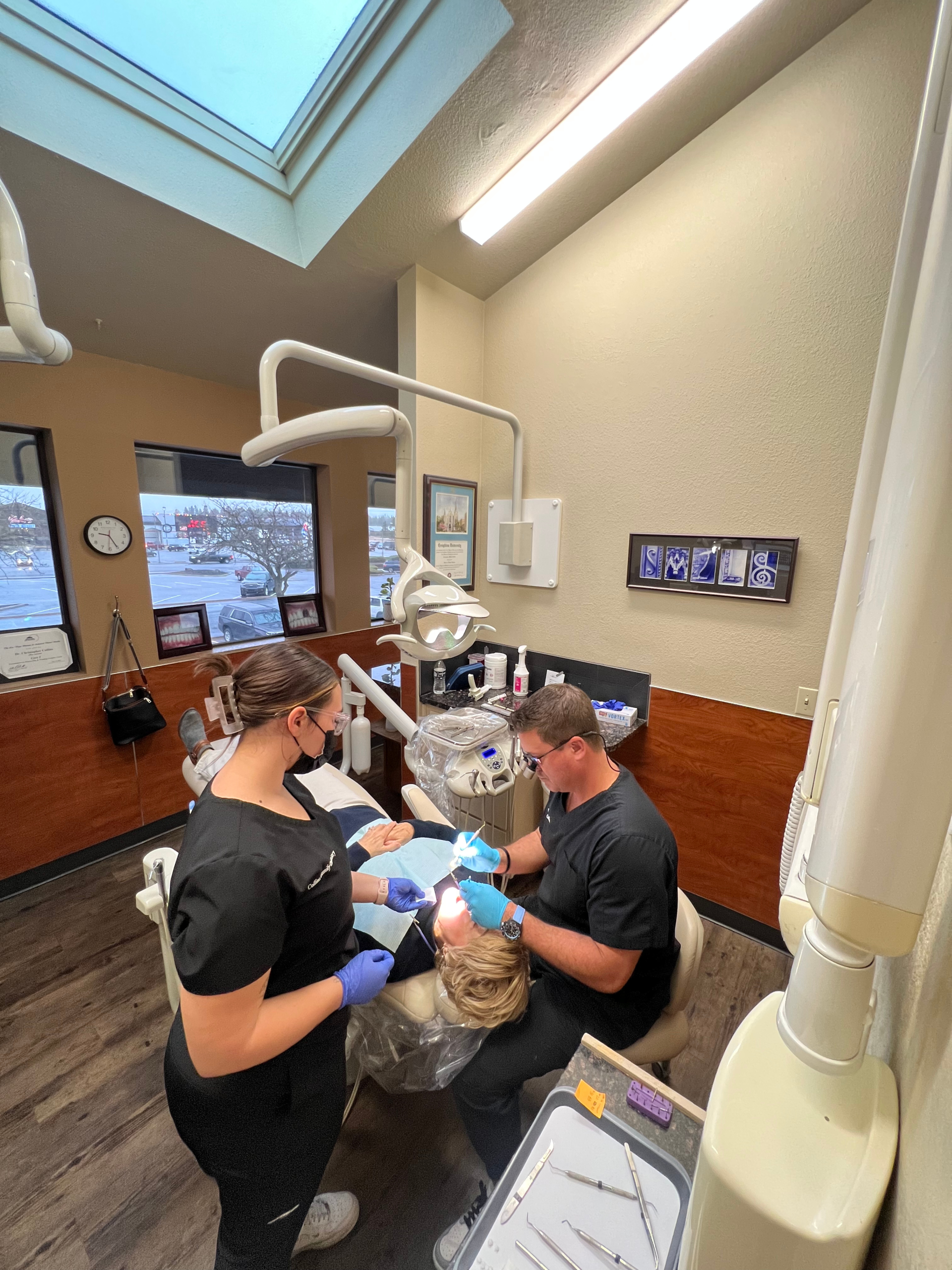
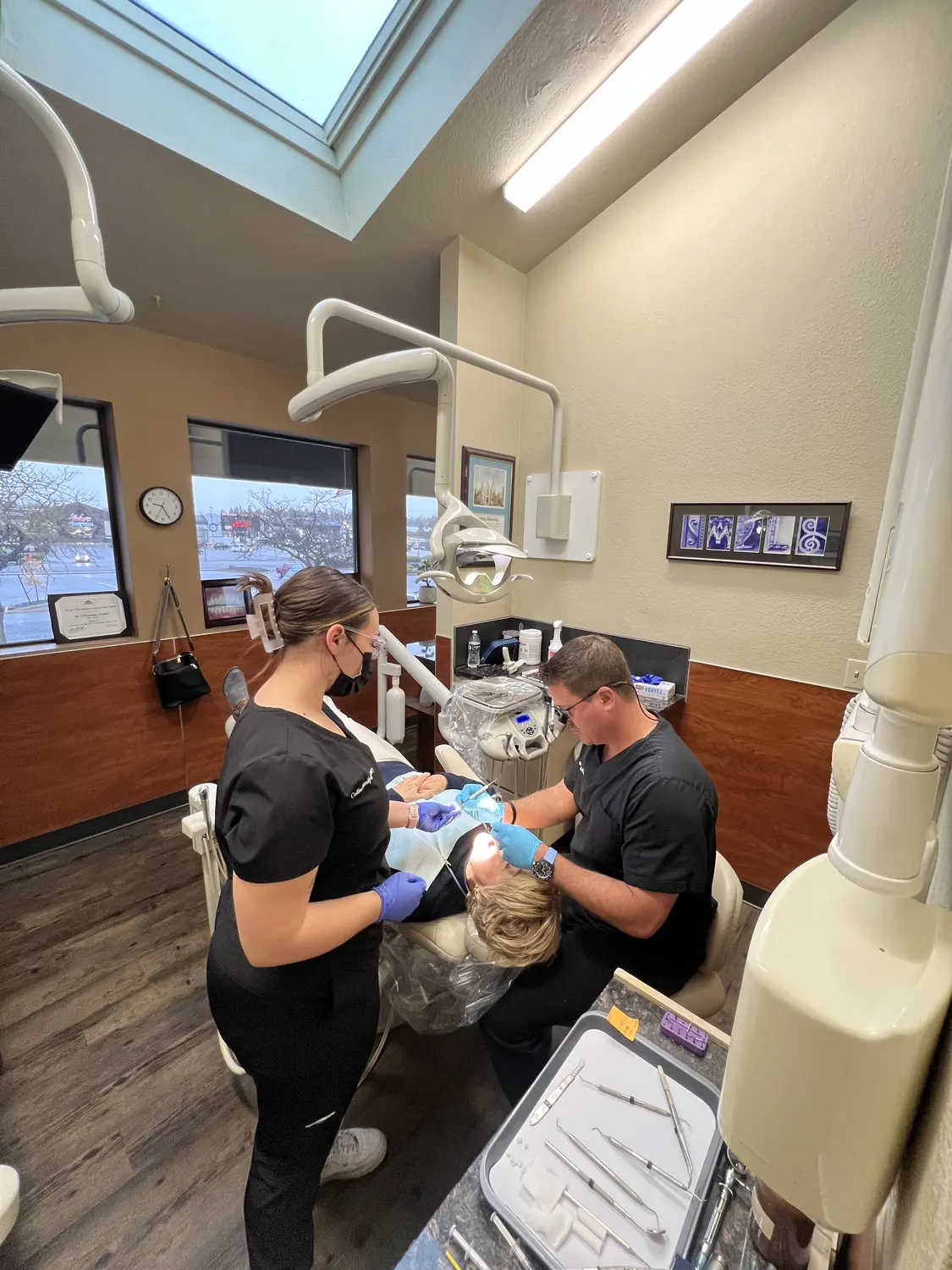
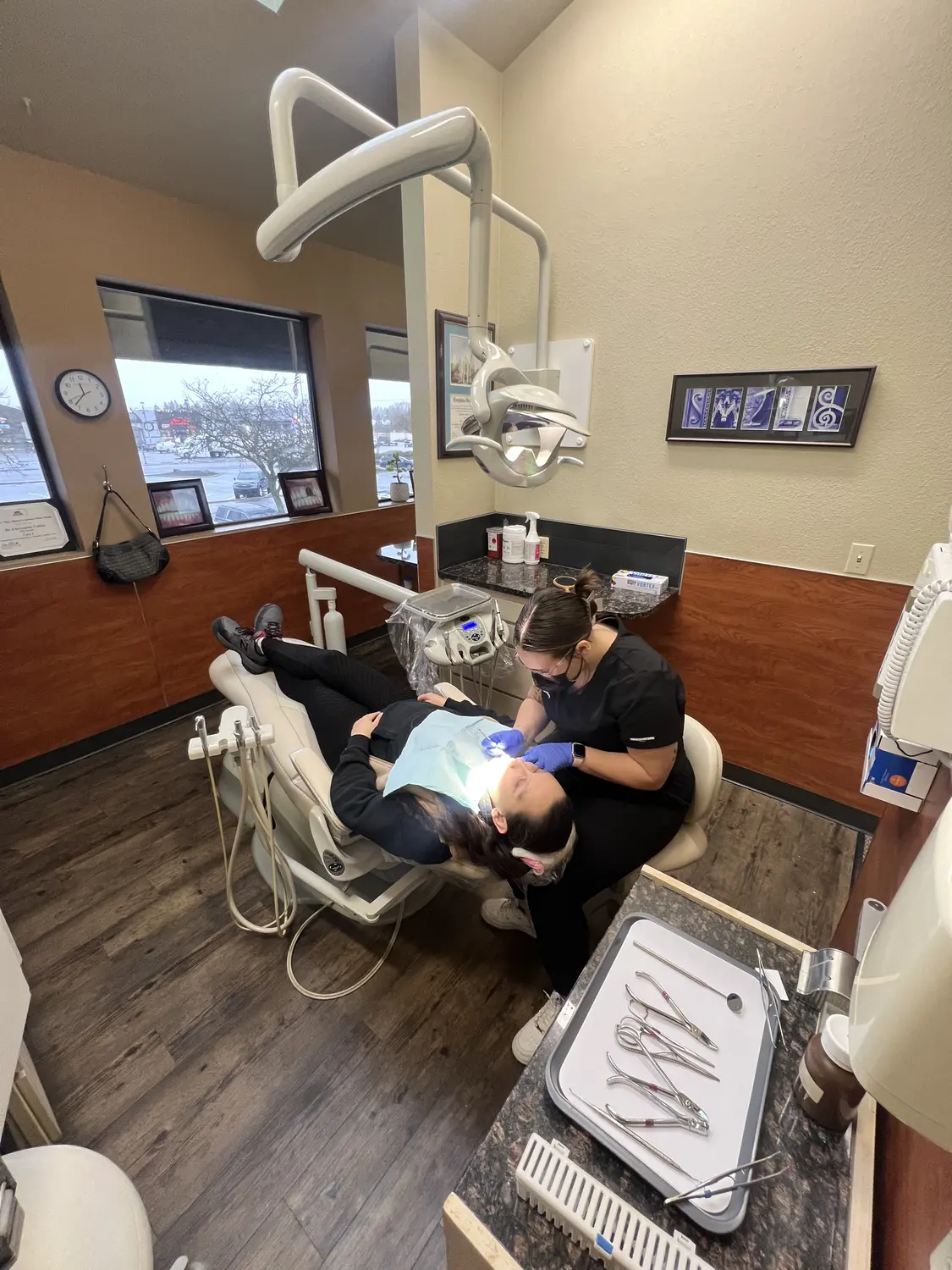
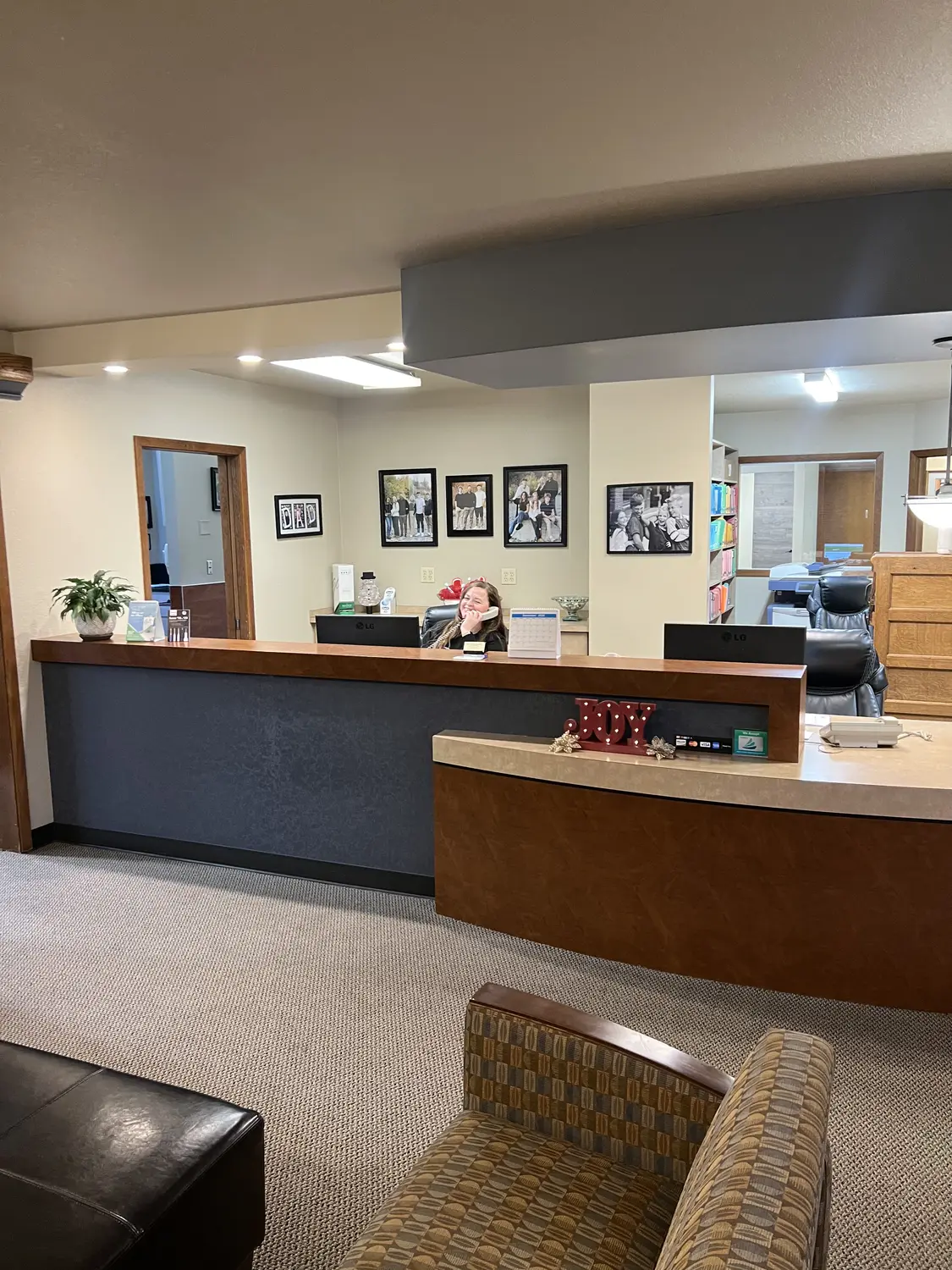
The photographs and video on this page were created inside Collins Family Dentistry—not pulled from a stock library.
How the plan comes together
Clear steps. No mystery.
You should understand what comes next, why it matters, and where you still have choices.
- 01
Confirm the diagnosis
Symptoms, examination, testing, and imaging help distinguish pulpal pain from cracks, gums, bite problems, or other causes.
- 02
Comfort and isolation
Local anesthetic is used and the tooth is isolated to keep the treatment field clean.
- 03
Clean and seal
The internal system is shaped, disinfected, and filled to reduce the chance of reinfection.
- 04
Restore the tooth
The final restoration is completed as recommended so the treated tooth can return to function.
Common questions
Useful answers before your examination.
These answers are general. Your diagnosis, health history, and goals shape the recommendation.
Does a root canal hurt?
Local anesthetic is used during treatment. The tooth and surrounding tissues can be tender afterward, and the expected recovery depends on the condition present before treatment.
Will I need a crown after root canal treatment?
Many back teeth need cuspal coverage because they carry substantial chewing forces. The amount of remaining tooth structure and location determine the final restoration.
Can every tooth be saved with a root canal?
No. Severe fractures, inadequate support, nonrestorable decay, or other factors may make extraction the more predictable option.
When should tooth pain be evaluated urgently?
Promptly call a dentist for facial swelling, fever, drainage, severe or escalating pain, trauma, or difficulty swallowing or breathing. Breathing or swallowing difficulty requires emergency medical care.
Your next visit
Ready for a clearer path forward?
Tell us what is bringing you in. Our Cheney team will help you find the right place to begin.