
Comprehensive restorative dentistry in Cheney, Washington
Full mouth reconstruction in Cheney.
One plan for the whole smile.
When damaged teeth, missing teeth, old restorations, gum problems, or bite changes overlap, treating one tooth at a time may not solve the larger problem. Dr. Chris Collins coordinates the health, function, appearance, sequence, and maintenance of the entire restorative plan.

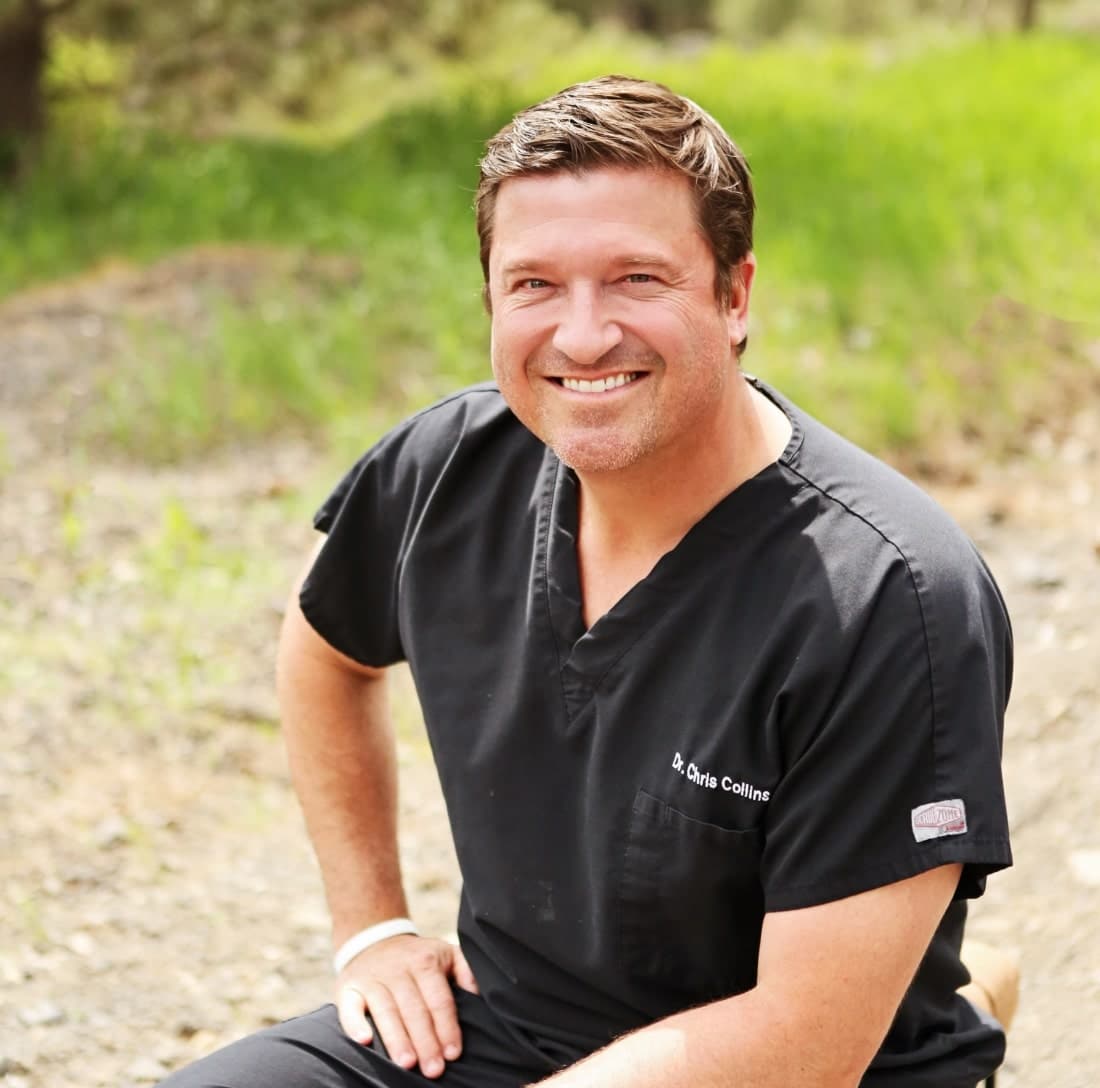
Full mouth reconstruction is a coordinated treatment plan, not a preset package. The number of procedures and teeth involved varies.
ONE ROADMAPDIAGNOSE · PRIORITIZE · SEQUENCE · MAINTAIN
What is full mouth reconstruction?
A comprehensive plan to rebuild or replace
many teeth as one functional system.
The American College of Prosthodontists describes full mouth reconstruction as rebuilding and/or replacing all of the teeth in a patient's mouth to improve health, function, and appearance. It may involve most teeth rather than literally every tooth, and the plan can combine onlays, crowns, bridges, veneers, implants, dentures, orthodontics, and other care.1
The goal is not to stack procedures. It is to understand how decay, fractures, wear, missing teeth, gum support, old restorations, bite forces, speech, and esthetics interact - then select the most conservative predictable option for each area within one coordinated endpoint.
Explore restorative dentistry in Cheney ↗When isolated dentistry is no longer enough
Reconstruction becomes relevant when
several problems must be solved together.
A consultation does not commit you to rebuilding every tooth. It identifies what is urgent, what is stable, what can be monitored, and which treatments should be coordinated rather than completed independently.
Several teeth are cracked, decayed, weakened, or repeatedly repaired
Large fillings, recurrent decay, fractures, and failing crowns can create a pattern that is better planned comprehensively than treated one emergency at a time.
Gaps and remaining teeth affect each other
Missing teeth can change chewing patterns, spacing, and the load placed on the teeth that remain. Bridges, implants, and removable options are compared within the condition of the entire mouth.
Grinding, erosion, or bite changes have shortened many teeth
Worn teeth may require control of the cause, bite analysis, and a tested restorative design. Rebuilding height without understanding the forces can create avoidable complications.
Gum disease has affected support, spacing, or tooth stability
Periodontitis can destroy the tissues and bone that support teeth and may eventually lead to mobility or tooth loss. Disease control and a maintenance plan come before definitive reconstruction.2
An accident or injury damaged several teeth at once
Trauma may require urgent stabilization followed by decisions about root canal treatment, bonding, crowns, extractions, implants, bridges, or other replacement options.
Restorations no longer look or function like one smile
Crowns, fillings, bridges, and implant restorations placed at different times may age differently or create uneven contacts, colors, contours, or cleaning challenges.
Health, appearance, time, and budget need one sequence
A phased plan can prioritize pain, infection, and function first, then complete definitive restorative and esthetic care in an order that protects earlier treatment.
The full mouth reconstruction process
A phased journey from diagnosis to
a tested, maintainable final result.
The order matters. Urgent disease and unstable foundations are addressed before final crowns, bridges, implants, or dentures. Some patients complete care in a few concentrated stages; others benefit from a longer phased plan.
Collect the records needed to see the whole system
Dr. Collins reviews your concerns, health history, prior records, teeth, gums, restorations, smile, jaw function, and bite. X-rays, photographs, digital scans, and CBCT imaging may be recommended when they affect decisions.
Control pain, infection, decay, and active gum disease
Urgent care, hygiene therapy, periodontal treatment, root canal therapy, extractions, or temporary repairs may come first so definitive dentistry is not built on active disease.
Map the endpoint and compare treatment paths
The plan defines which teeth are preserved, rebuilt, replaced, or monitored and how the bite, smile, materials, hygiene access, schedule, and costs fit together. Referrals may be coordinated when specialty care is appropriate.
Use mock-ups or provisional restorations when helpful
Temporary restorations can help evaluate appearance, speech, comfort, cleaning, chewing, and bite before the final materials are completed. They are a planning stage, not the final result.
Complete definitive restorations in a protective sequence
Fillings, onlays, crowns, bridges, implants, dentures, bonding, veneers, or orthodontic steps are completed according to the agreed roadmap. Fit, contacts, color, contours, and bite are checked throughout.
Protect the teeth, gums, restorations, and bite
Daily cleaning, risk-based professional visits, periodontal monitoring, repair of wear, and a protective appliance when indicated help preserve the result.
Not every patient needs all six phases or every procedure listed on this page. The plan is scaled to the actual diagnosis, goals, and practical constraints.
The building blocks of reconstruction
Each tooth may need a different answer.
The answers still need to work together.
Full mouth reconstruction can combine conservative restorations, tooth-saving treatment, and tooth replacement. The diagnosis and amount of remaining healthy structure determine whether a filling, onlay, crown, root canal, bridge, implant, or removable prosthesis is appropriate.1
Fillings, bonding, inlays, and onlays
When enough healthy tooth remains, a localized restoration may repair decay, fractures, or worn areas without covering the entire tooth.
- Composite fillings, ceramic inlays, and onlays
- Dental bonding for selected chips and shape changes
- Preventive and periodontal care to protect the foundation
Crowns and root canal treatment
A crown may protect a heavily damaged tooth, while root canal treatment addresses inflamed or infected pulp so a restorable tooth can continue functioning. A crown is not automatically required for every root canal; restoration depends on tooth location and remaining structure.3
- Dental crowns and bridges
- Root canal therapy
- Provisional restorations to test form and bite
Bridges, implants, and dentures
When a tooth cannot be predictably maintained, the replacement plan may use a fixed bridge, dental implant, removable partial denture, complete denture, or implant-supported full-arch prosthesis. Surgery and implant candidacy are individualized.4
- Dental implants and implant-supported bridges
- Fixed bridges supported by natural teeth
- Full-arch and All-on-4 options
Choosing the scope of care
Comprehensive does not always mean aggressive.
It means the scope matches the problem.
Dr. Collins can explain whether your needs are isolated, primarily cosmetic, restorative across several teeth, or extensive enough to benefit from full mouth reconstruction.
Single-tooth restoration
A filling, onlay, crown, root canal, implant, or bridge addresses one clear problem without redesigning the entire bite.
Explore restorative care ↗Smile makeover
Primarily focuses on visible color, shape, alignment, proportion, and display. Health and function still matter, but the main goal is cosmetic improvement.
Explore smile makeovers ↗Full mouth reconstruction
Coordinates disease control, tooth preservation, replacement, bite, appearance, and maintenance when many areas are interdependent.
Request an evaluation ↗Full-arch implant treatment
Replaces most or all teeth in one arch with a fixed or removable implant-supported prosthesis when preservation is not the chosen path.
Explore full-arch implants ↗
Foundation before finish
Healthy support and a tested bite come before
the definitive restorative finish.
Advanced periodontal disease can destroy gum and bone support. Root canal treatment may save a tooth with inflamed or infected pulp, while extraction may be appropriate when a tooth cannot be predictably restored. These decisions shape the restorative sequence rather than being added after the final design.23
Addresses pain, infection, active decay, gum inflammation, hopeless teeth, and temporary function before major definitive work begins.
Completes the planned restorations after the foundations, bite, and provisional response support moving forward.
Comprehensive care close to home
The individual restorations matter.
The way they function together matters more.
Dr. Chris Collins evaluates the teeth that can be preserved, the spaces that need replacement, the condition of the gums and bone, and the forces created by the bite. The plan is then sequenced so one procedure does not compromise the next.
Collins Family Dentistry has served Cheney since 1970, and Dr. Collins has practiced at the office since 2005. The current practice website describes full mouth reconstruction as comprehensive care for multiple damaged teeth and restorations that no longer look or function well together.5
“A comprehensive result should feel like one healthy, functional smile - not a collection of unrelated repairs.
Protecting the result
Reconstruction changes the mouth.
It does not eliminate future maintenance.
Natural teeth can develop new decay, periodontal disease can recur, and restorations can wear, chip, loosen, or need replacement. The maintenance plan is part of the reconstruction - not an optional step after it.
Clean around every margin and connector
Use the brush, floss, threader, interdental brush, water flosser, or denture-cleaning method recommended for your specific restorations.
Control the conditions that caused the damage
Dietary acids, dry mouth, plaque, tobacco, grinding, and inconsistent maintenance may continue to threaten teeth and restorations unless the underlying risks are addressed.
Protect the bite
A nightguard or other protective appliance may be recommended when clenching, grinding, or restorative material wear could overload the teeth or prostheses.
Return for risk-based monitoring
Professional visits help monitor gums, bone, decay, restoration margins, implant components, wear, contacts, and bite changes.
Different components have different service lives
A reconstruction can provide many years of service, but no restoration is lifetime-guaranteed. Prognosis depends on the starting condition, materials, bite, health, hygiene, tobacco exposure, maintenance, and future disease or trauma.
Function first. Beauty in context. A plan that remains cleanable, repairable, and realistic for the person living with it.
THE PRINCIPLE BEHIND COMPREHENSIVE RESTORATIVE PLANNING
Full mouth reconstruction questions
Clear answers before
a comprehensive decision.
These answers are general. The actual number of teeth, procedures, visits, specialists, materials, timeline, and cost require an examination and individualized plan.
Ask a question at your consultation ↗01What is full mouth reconstruction?
Full mouth reconstruction is a coordinated treatment plan that rebuilds or replaces many teeth to improve oral health, chewing function, stability, and appearance. It may combine fillings, onlays, crowns, root canal treatment, bridges, implants, dentures, orthodontics, periodontal care, or other procedures. It is not one standardized package.
02Is full mouth reconstruction the same as a smile makeover?
No. A smile makeover is usually led by cosmetic goals involving visible tooth color, shape, alignment, and proportion. Full mouth reconstruction is primarily driven by widespread restorative and functional needs, although appearance is still an important part of the plan. Some treatment plans include elements of both.
03How do I know whether I need full mouth reconstruction?
You may benefit from a comprehensive evaluation if you have several broken, worn, decayed, missing, infected, loose, or heavily restored teeth; restorations that no longer work well together; or a bite that has changed. Only an examination and diagnostic records can determine whether isolated treatment or a broader plan is appropriate.
04Can damaged natural teeth be saved?
Many damaged teeth can be restored with fillings, onlays, crowns, periodontal care, or root canal treatment when enough healthy structure and support remain. Other teeth may have fractures, decay, infection, or bone loss that make extraction and replacement more predictable. Dr. Collins will explain the outlook and alternatives for each tooth.
05Does every tooth need a crown?
No. A full mouth reconstruction does not automatically require crowns on every tooth. Some teeth may need only preventive care, bonding, a filling, an inlay or onlay, a veneer, root canal treatment with an appropriate restoration, or monitoring. Crowns are recommended when the remaining tooth structure and functional demands justify full coverage.
06How long does full mouth reconstruction take?
The timeline may range from several appointments to a year or longer. It depends on disease control, healing, root canal or periodontal treatment, orthodontics, extractions, bone grafting, implants, laboratory steps, provisional restorations, and whether treatment is completed in phases. Your written plan should identify the expected sequence.
07Is full mouth reconstruction painful?
Local anesthesia is used for procedures that would otherwise be uncomfortable. The experience and recovery depend on the treatments involved. Some visits may cause temporary soreness, sensitivity, swelling, or bite awareness. Dr. Collins will explain comfort options, expected recovery, and signs that should prompt a call.
08Will I need dental implants or dentures?
Not necessarily. Implants, bridges, and dentures are considered only for teeth that are missing or cannot be predictably maintained. The recommendation depends on the number and location of missing teeth, remaining teeth, bone and gum health, medical factors, surgery preferences, cleanability, cost, and whether the final teeth should be fixed or removable.
09How much does full mouth reconstruction cost in Cheney?
Cost varies widely because full mouth reconstruction is customized. Diagnostic records, disease-control treatment, the number of teeth, materials, laboratory work, specialist care, sedation, grafting, implants, provisional restorations, and the number of phases all affect the estimate. Collins Family Dentistry can provide a treatment-specific estimate after evaluation.
10How long can full mouth reconstruction results last?
Longevity varies and cannot be guaranteed. Natural teeth, crowns, fillings, bridges, implant components, and dentures have different maintenance and replacement needs. Daily hygiene, periodontal health, bite protection, tobacco use, diet, dry mouth, regular professional care, and repair of early problems all influence how long the result remains functional.
Clinical and practice references
Information built on
credible patient resources.
- 01American College of Prosthodontists
Full Mouth Reconstruction - definition, common indications, comprehensive planning, and treatment options including onlays, crowns, bridges, veneers, implants, and dentures.
Review source ↗ - 02American Academy of Periodontology
Gum Disease Information - progression from gingivitis to periodontitis, destruction of supporting tissues and bone, mobility, and tooth loss.
Review source ↗ - 03American Association of Endodontists
Root Canal Explained - why pulp treatment is needed, how the tooth is cleaned and sealed, and the role of a crown or other restoration after treatment.
Review source ↗ - 04U.S. Food and Drug Administration
Dental Implants: What You Should Know - implant components, candidacy, healing, benefits, risks, hygiene, and follow-up considerations.
Review source ↗ - 05Collins Family Dentistry
Official full mouth reconstruction and practice information for Dr. Chris Collins, Cheney location, telephone number, and office hours.
Review source ↗
Comprehensive restorative care close to home
Rebuild comfort, function, and confidence
without leaving Cheney.
Collins Family Dentistry provides full mouth reconstruction consultations from 1st Street near Cheney Spokane Road. Bring questions, previous records, and the priorities that matter most to you.
- Monday
- 8:00 AM-2:30 PM
- Tuesday
- 8:00 AM-4:00 PM
- Wednesday
- 8:00 AM-2:30 PM
- Thursday
- 8:00 AM-2:30 PM
- Friday
- 8:00 AM-2:30 PM