
Gum disease treatment in Cheney, Washington
Healthy teeth need healthy support.
Evaluation, nonsurgical periodontal treatment, and continuing maintenance shaped around the condition of your gums and bone.
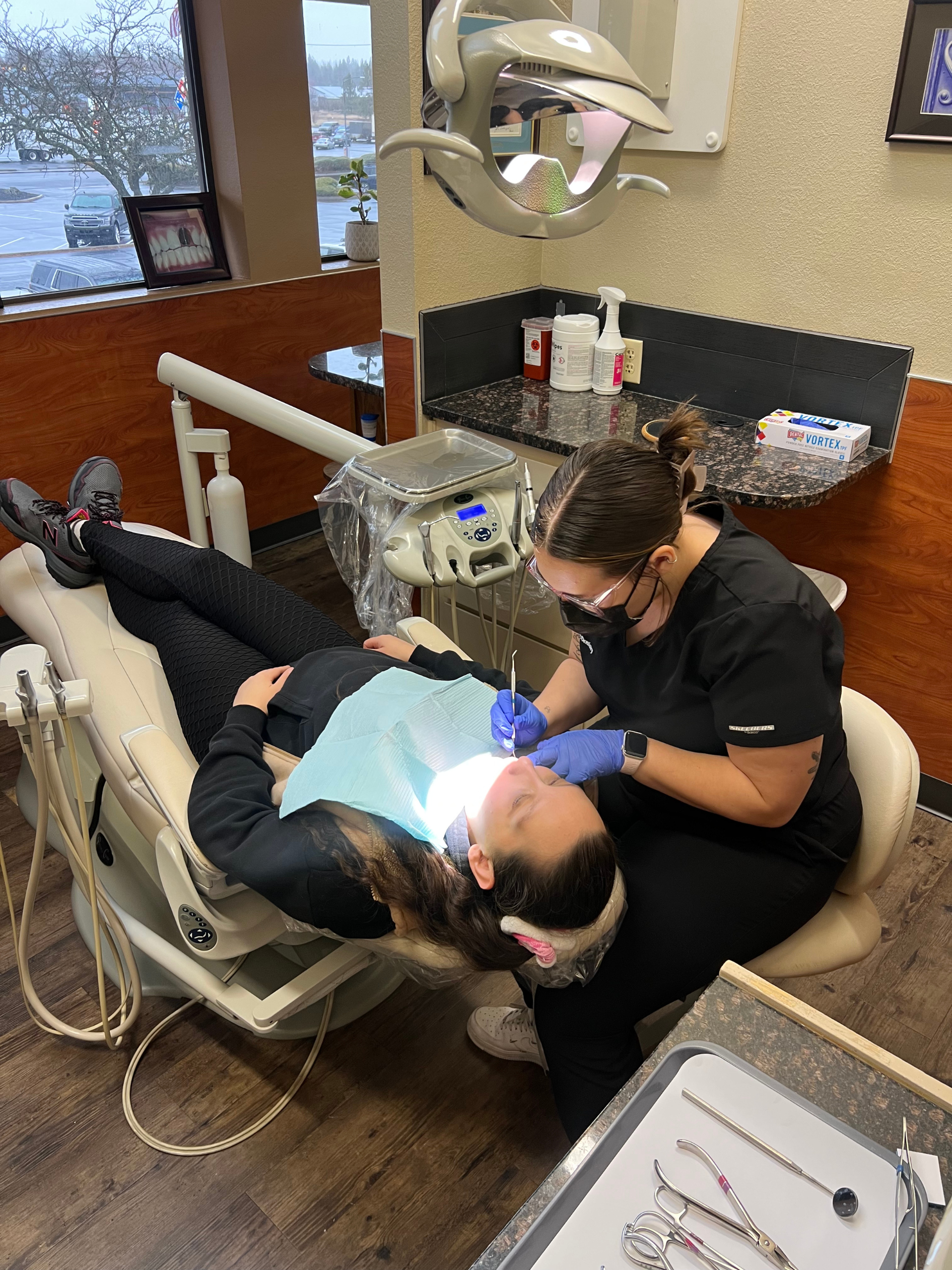
The Collins point of view
Bleeding, recession, persistent bad breath, changing spaces, or loose teeth deserve a closer look. Gum disease can progress quietly, so measurements and imaging—not appearance alone—guide the diagnosis.
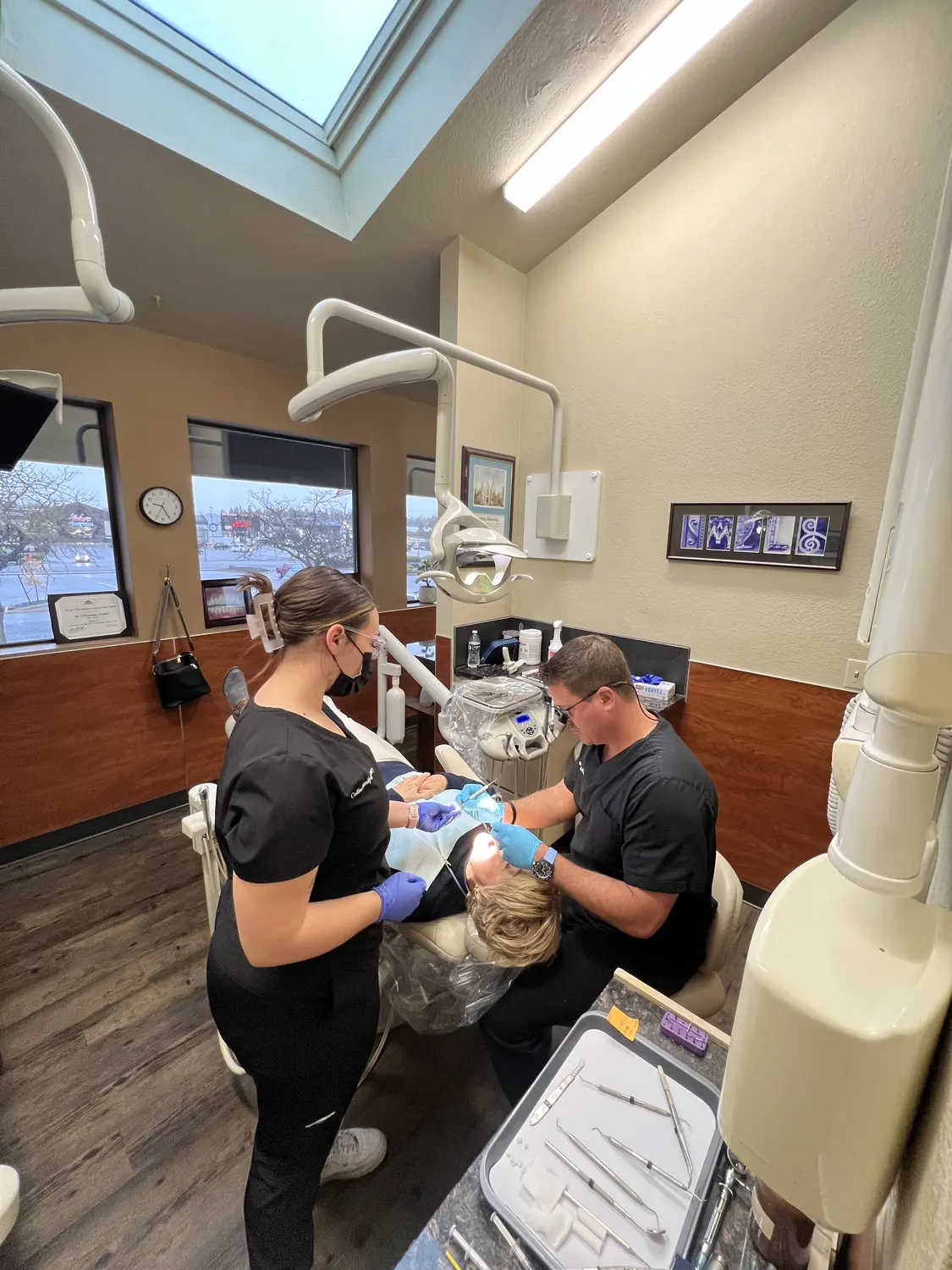
What care can include
The treatment should fit the person.
Your examination determines which options make sense and which ones do not.
Periodontal evaluation
Gum pocket measurements, bleeding, recession, mobility, plaque and calculus, and bone levels are reviewed together.
Scaling and root planing
When indicated, nonsurgical therapy removes plaque biofilm and calculus from beneath the gumline and smooths accessible root surfaces.
Home-care coaching
Specific tools and techniques are selected for the spaces, restorations, implants, and areas that need the most attention.
Periodontal maintenance
After active therapy, a personalized maintenance interval helps monitor stability and reduce the chance of recurrence.
Care inside the Cheney practice
This is what personal care looks like.
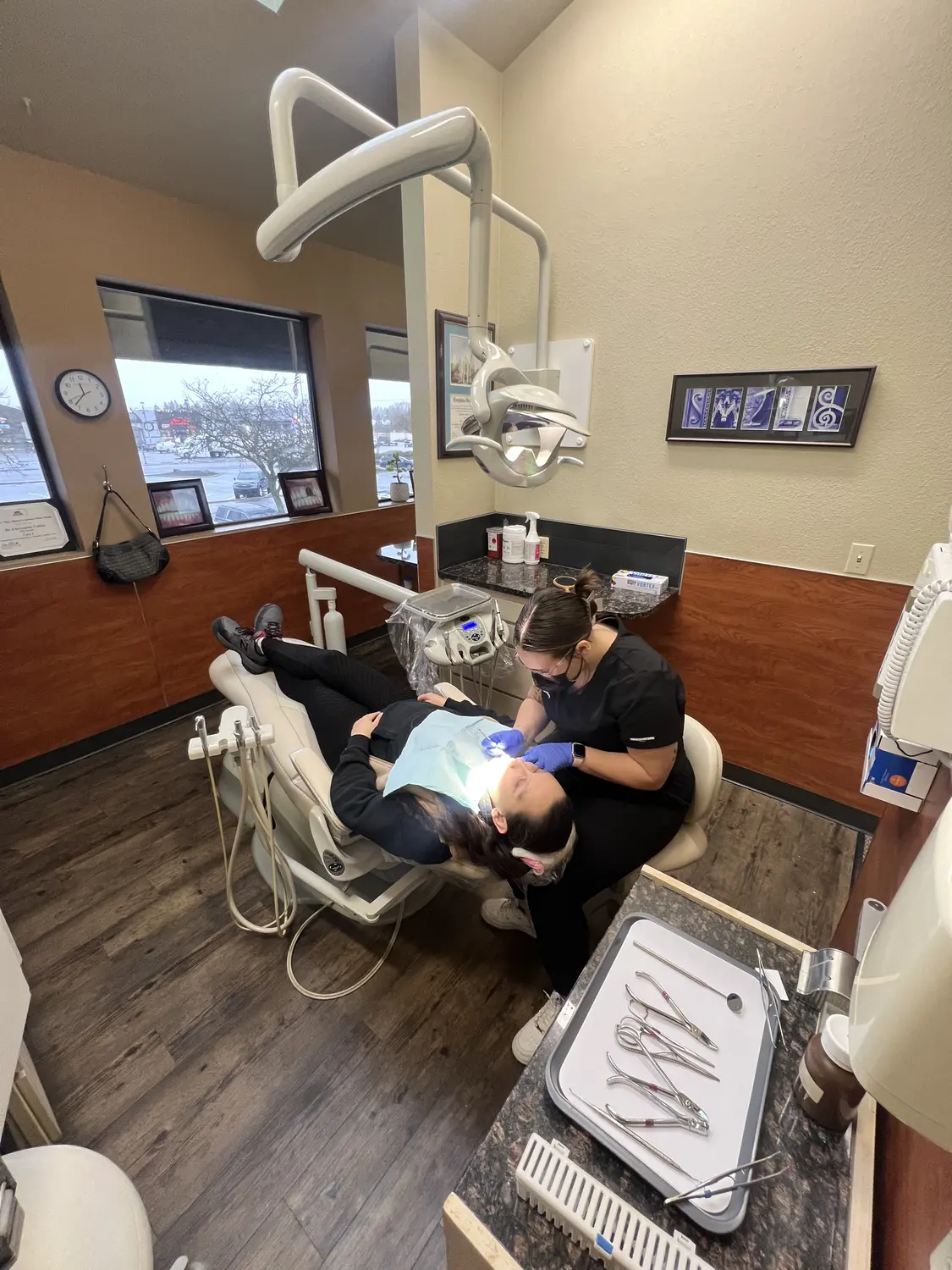
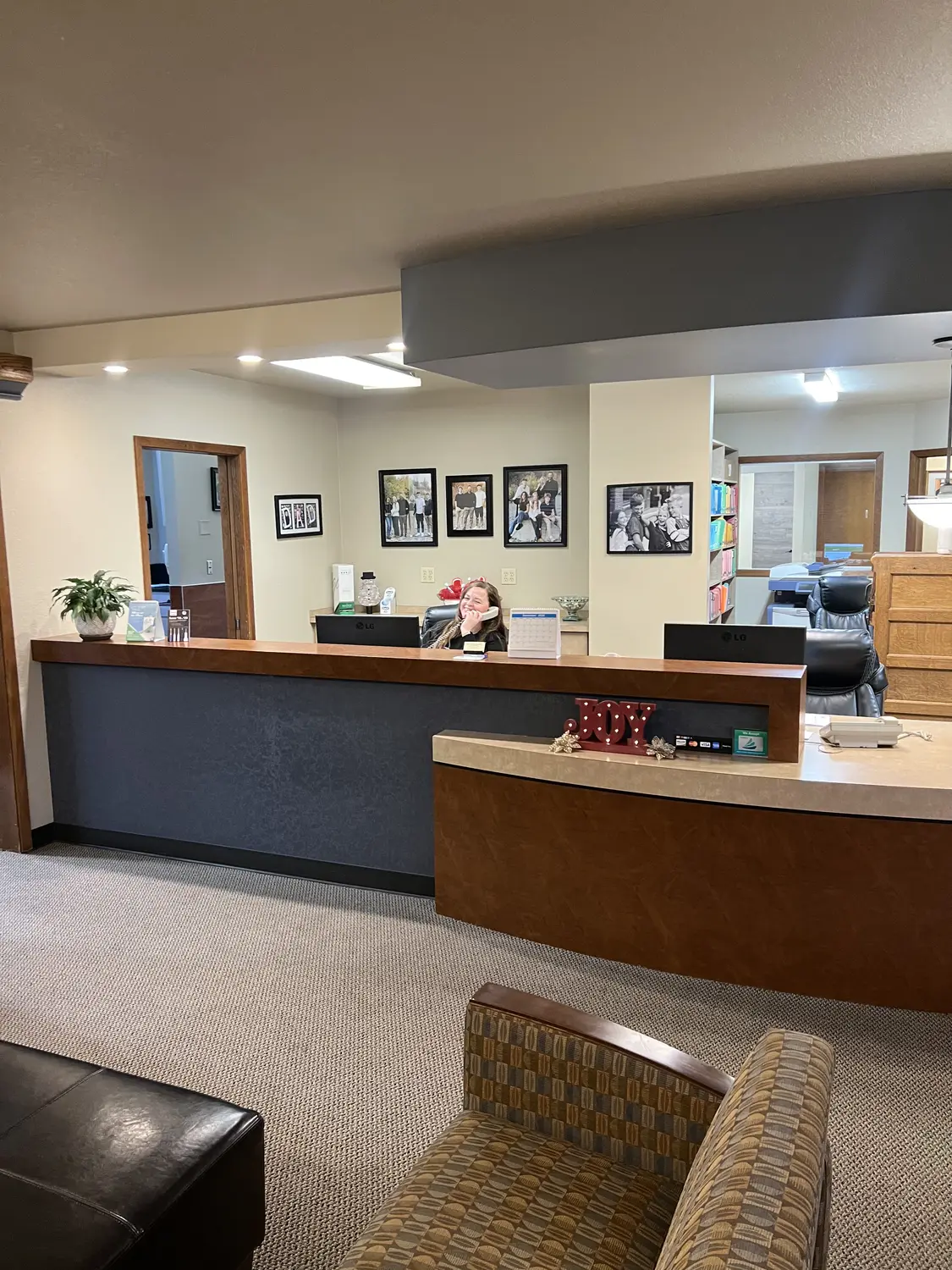
The photographs and video on this page were created inside Collins Family Dentistry—not pulled from a stock library.
How the plan comes together
Clear steps. No mystery.
You should understand what comes next, why it matters, and where you still have choices.
- 01
Measure the baseline
A periodontal chart and appropriate imaging show where inflammation, attachment loss, or bone changes are present.
- 02
Control the infection
Treatment is selected by severity and may include nonsurgical therapy, localized care, or referral for surgical treatment.
- 03
Reevaluate healing
Gum response is reassessed after treatment so remaining areas can be addressed.
- 04
Stay ahead of recurrence
Ongoing professional maintenance and consistent home care are central to long-term stability.
Common questions
Useful answers before your examination.
These answers are general. Your diagnosis, health history, and goals shape the recommendation.
Are bleeding gums normal?
Occasional irritation can occur, but repeated bleeding with brushing, flossing, or probing may signal inflammation and should be evaluated.
Can gum disease be cured?
Gingivitis can often be reversed. Periodontitis causes permanent loss of supporting tissues, but treatment and maintenance can help control disease and protect remaining support.
Why are maintenance visits more frequent after periodontal treatment?
Periodontitis can recur. A shorter maintenance interval allows the team to remove deposits, reinforce home care, and monitor pocket depths, bleeding, mobility, and other changes.
Will I need a specialist?
Some advanced, complex, or nonresponsive cases benefit from care by a periodontist. Dr. Collins will explain when referral is appropriate.
Your next visit
Ready for a clearer path forward?
Tell us what is bringing you in. Our Cheney team will help you find the right place to begin.